2025 Entrance Automation Trends Shaping Commercial Buildings

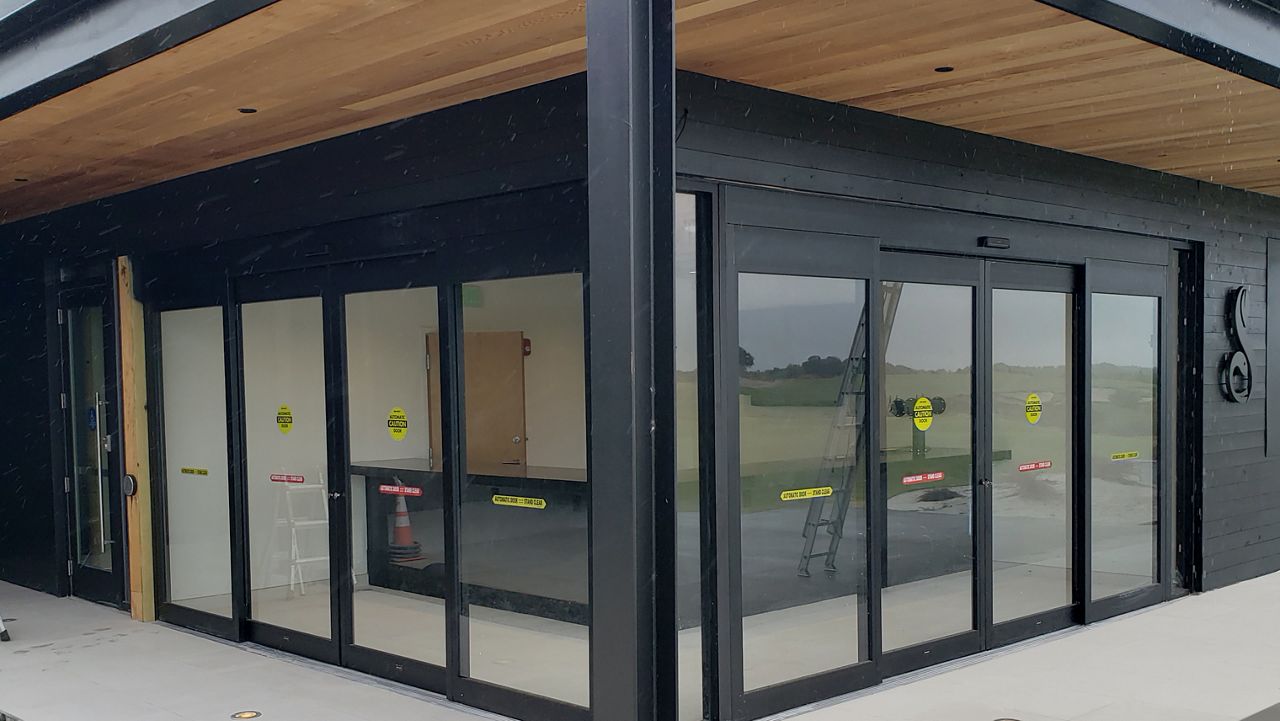
As commercial buildings evolve to meet new standards of performance, entrance automation systems and automatic doors are taking a more strategic role than ever before. What was once considered a convenience has become a critical component of how buildings operate – in modern smart commercial buildings, these automated entrance systems contribute directly to energy efficiency, occupant safety and ADA-compliant accessibility.
The future of automated entrance systems is being shaped by a convergence of technology, design and sustainability goals – all pointing to a smarter, more adaptable future for commercial spaces.
ADA-Compliant Automatic Doors and Enhanced User Experience
As universal design principles continue to gain traction, accessibility remains central to the evolution of automated entrance systems. ADA guidelines continue to shape product design and performance standards, ensuring that entrances are intuitive and inclusive for all users. As a result, automatic doors are increasingly viewed as essential to accessibility, rather than optional features. Whether used in healthcare, education or retail environments, automation enhances convenience and safety by reducing barriers and supporting hands-free operation, aligning with broader industry movement towards equitable building design.
Smart Installation and Predictive Maintenance for Automatic Doors
The demand for efficient installation and maintenance has grown significantly as building owners seek to lower operational costs and minimize downtime. In response, manufacturers are developing time-saving solutions like modular components and digital diagnostic tools that make service faster and more predictable. Remote monitoring capabilities are also emerging, allowing technicians to identify issues in real time and respond proactively. Together, these advancements are shortening installation timelines, reducing maintenance needs and improving lifecycle performance.
Architectural Design and Aesthetic Customization for Commercial Entrances
When it comes to aesthetics, automated entrances are expected not only to perform reliably but to align with a building’s visual identity. The demand for modern finishes, such as black anodized frames, has surged as architects and designers look for clean, contemporary appearances that create a cohesive look with interior palettes. Today’s custom automatic door finishes and minimalist frame designs provide more options than ever, aligning with the visual identity of modern commercial building entrances. In 2026, automated entrances don’t just serve as convenient access points; they’re evolving into true architectural features that contribute to the overall look and feel of a space.
Energy Efficient and Sustainable Automatic Door Systems
Sustainability continues to be a driving force across the entire built environment, and energy-efficient automatic doors are a key part of that progress. Energy efficiency is now a top specification priority – particularly in exterior door systems – with highly efficient insulation and tight-sealing frames helping to reduce heat loss and maintain interior climate control. These features contribute to a building’s overall energy performance and support certification goals under rating systems like Leadership in Energy and Environmental Design (LEED). With energy requirements tightening across many regions, the right automated entrances can have a meaningful impact on a building’s long-term sustainability and cost savings.
Hurricane-Rated and Climate-Resilient Commercial Door Systems
The growing frequency of extreme weather events has prompted renewed focus on durability and code compliance, especially in areas prone to hurricanes or severe storms. In these regions, many commercial facilities are specifying impact-rated or hurricane-resistant door systems to enhance occupant safety and minimize damage.
High-performance materials and reinforced assemblies help maintain building integrity during severe weather, along with reducing costly downtime after storms. As codes evolve to address climate-related risks, manufacturers are prioritizing designs that deliver lasting durability and reliable operation, even in the harshest environments.
These entrance automation trends highlight a broader shift – one that’s smarter, more efficient and interconnected with the larger built environment. From cutting-edge technology to energy-conscious design and changing aesthetic preferences, these innovations are pushing the boundaries of design, redefining what an entrance can be.
Frequently Asked Questions (FAQs)
1. What are the top entrance automation trends for commercial buildings in 2025?
The biggest trends include energy-efficient performance, improved accessibility, streamlined maintenance and greater aesthetic customization – all aimed at creating smarter, more adaptable buildings.
2. Why is energy efficiency a key focus in entrance automation?
Automated entrances with advanced insulation and sealing systems help reduce heat loss and support green building certifications such as LEED, improving both sustainability and cost savings.
3. How do accessibility and design factor into 2025’s automation trends?
Modern entrance systems are designed to meet ADA requirements while offering aesthetic flexibility, combining inclusive access with architectural appeal in spaces like healthcare, education and hospitality.
4. What innovations are improving installation and maintenance?
Manufacturers are leveraging modular systems, remote diagnostics and digital tools to simplify installation, reduce service time and ensure long-term reliability.